
Why Courses Like These Recycle Powerlessness Instead of Building Capacity
I used to work in this industry. I now realize that I was not a hero then, but a villain contributing to the underdevelopment of countries. I was part of a whole industry profiting off your poverty and that of many countries. I was part of the machinery. A cog. I was not in the military, so I did not wear a camouflage uniform. Instead, I wore a different camouflage uniform, a suit, and a tie. I worked for development agencies, intergovernmental organizations, and technical assistance groups, flying business class to conferences where, like many still today, I used to teach you how to stay poor… politely.
Take the South Centre’s (a research and development aid institution in Geneva) latest self-congratulatory course. They claim to be “building capacity” for pharmaceutical production in Africa and the Caribbean. I still get their emails. What do you think is the curriculum’s cornerstone? Ideally, it should be developing local R&D or building sovereign labs. But no! It’s teaching bureaucrats how to use loopholes in a global patent system that was never designed for them to win. I know, since I worked on such loopholes in international law in my past career. Loopholes like “TRIPS flexibilities”—which, if they worked as advertised, would have made vaccine apartheid during COVID impossible. Instead, the Global North hoarded doses and raked in profits while the Global South begged for waivers that never came.
This is what passes for success in international development: teaching you how to beg better, legally. Then, “give us more money in donor aid from the global north so we can have even more workshops like these.”
The Poverty Curriculum
The online training program ran for six weeks and covered legal tools for “access to medicine.” Participants learned about parallel imports, compulsory licensing, and how to navigate “exceptions” in WTO trade law. Sounds empowering, right? But here’s the trick—these aren’t paths to sovereignty. They’re crumbs under a system that already baked the cake, ate it, and locked you out of the bakery. These same courses have been running since I started my career in development aid in 1994, with no real success beyond their intended purpose.
TRIPS flexibilities only work when the Global North agrees to let them. When they don’t, you face lawsuits, trade threats, or diplomatic isolation. There have been instances of medicines being dumped en route at a port in Europe to avoid them reaching the market under these exceptions. Meanwhile, Western pharmaceutical firms continue patenting essential drugs, often with inputs from your culture, indigenous medicines, or plants. Meanwhile, their industries benefit from your African and Caribbean minerals, your labor, your blood, your enslaved ancestors, your Indigenous ancestors who suffered genocide, and your lands stolen to fatten some royalty or wealthy family in Europe and America. They not only patent essential drugs, they set the prices, and sue anyone who tries to make them locally. The same drugs are tested on your people during the trials to ensure safety for their population.
Instead of teaching Global South countries how to build their own pharmaceutical industry from the ground up, these courses train them to be better “users” of the exceptions to the rules. Try your best to dig under the patent wall or jump over. Not designers. Not disruptors. Not building your own labs and training your own scientists. Just better, more polite beggars. More dependency for you, more profits and control for them.
Aid as Addiction
It’s not just South Centre. This is the development aid model worldwide. The entire premise of “capacity building” assumes you lack something—skills, intelligence, systems, forethought, and that you will never ever get these inputs needed to be like them. The very idea of capacity building assumes you are too mentally inferior to ever be able to produce whatever your people and country need, and will always need help from the Global North. In their lovely benevolence, the Global North will deliver aid to help you. But look closer: these programs rarely promote true independence. They promote endless assistance.
The carrot is “technical assistance.” Fodder a few politicians or senior government officials in the Global South with some money in their bank accounts, and you have control. The stick is structural poverty. In fact, Aid for Trade programs and World Bank, IMF, and WTO-sanctioned agreements often demand deregulation, opening of markets, and “fiscal responsibility”—code words for austerity. You must make your people suffer as good policy. This weakens your public institutions, your health care, your universities, and your production sectors. So they come back in a few years, offering more training to help you fix the very crises they helped cause. These policies they never implemented in their countries.
The cycle is not broken because it’s not supposed to be broken. It’s all planned.
The Patents Were Never the Problem—Power Was
Let’s get real. There’s nothing inherently wrong with intellectual property. The Global South produces much IP through indigenous practices, yet it does not benefit from this intellectual property. The problem is who owns it. The richest countries, mostly ex-colonial powers, dominate the patent landscape. They established these rules and laws to regulate the use of these resources. Over 70% of all pharmaceutical patents come from the U.S., EU, Japan, and Switzerland. In Africa, less than 1% of patents are locally owned. Yet, Africa has far more resources that are exploited than any of those countries. The rewards of these plundered lands go to these countries, not to African and Caribbean people. That’s not a coincidence—that’s a system.
Where’s the Global South’s mRNA research lab? Where’s the government-owned African version of Pfizer? You won’t find them in the curriculum of the South Center workshop, or any other workshop on aid and development.
You’ll find how to import generics, not how to manufacture them.
You’ll find how to license from the West to produce these copies of their drugs for your people, paying hefty royalties, rather than creating your own drug from scratch.
You’ll find out how to ask permission to live, for you and your people.
Manufactured Ignorance
Ask any policy expert from the Global South if they were taught how to build a sovereign industry in school, design a lab, build a manufacturing center, or a pharmaceutical park. They weren’t. They were trained in compliance, not innovation. They know how to write grant proposals, fill out donor matrices, attend more workshops, receive technical assistance, and enhance capacity building. They were never taught how to build wealth-generating institutions or protect their nation’s IP. They are always assumed to be too unintelligent, too lacking, too underdeveloped, to even be considered as a possibility.
Folks in my beloved Caribbean and African countries, hear this. The post-colonial development industry did not emerge to help you. It emerged to manage your demands for equity and growth. It is designed to keep you down, dependent, and underdeveloped.
As economist Ha-Joon Chang once noted, “Kicking away the ladder” is how the Global North maintains dominance—by preventing others from climbing it.
What Real Sovereignty Looks Like
Some countries figured it out. Malaysia banned foreign ownership in key industries to build domestic muscle. India ignored TRIPS until it built up its generic pharma sector. Cuba, despite a blockade, developed biotech innovation hubs with world-class cancer drugs. Rwanda and Senegal are building mRNA plants. China ignored Western IP norms until it built a powerhouse tech sector.
They didn’t beg. They built, often in defiance.
This is not about ignoring global frameworks—it’s about using them as stepping stones, not cages.
My Policy Advice? Stop Letting These People In
If I were president of a country in the Global South, I’d block the revolving door of international workshops, strategic dialogues, and aid-based training programs unless they were directly tied to technology transfer, R&D labs, or equipment delivered with no strings attached. My technical personnel would develop the curriculum tailored to our country’s needs, rather than allowing aid-delivering agents to dictate our direction. If they can’t abide by our rules, then get the hell out of our country.
I’d prioritize knowledge sovereignty: research institutes, pharma manufacturing, IP law drafted by local minds—not foreign consultants. I’d invest in engineers, scientists, labs, manufacturing, universities, not grant writers, not beggars.
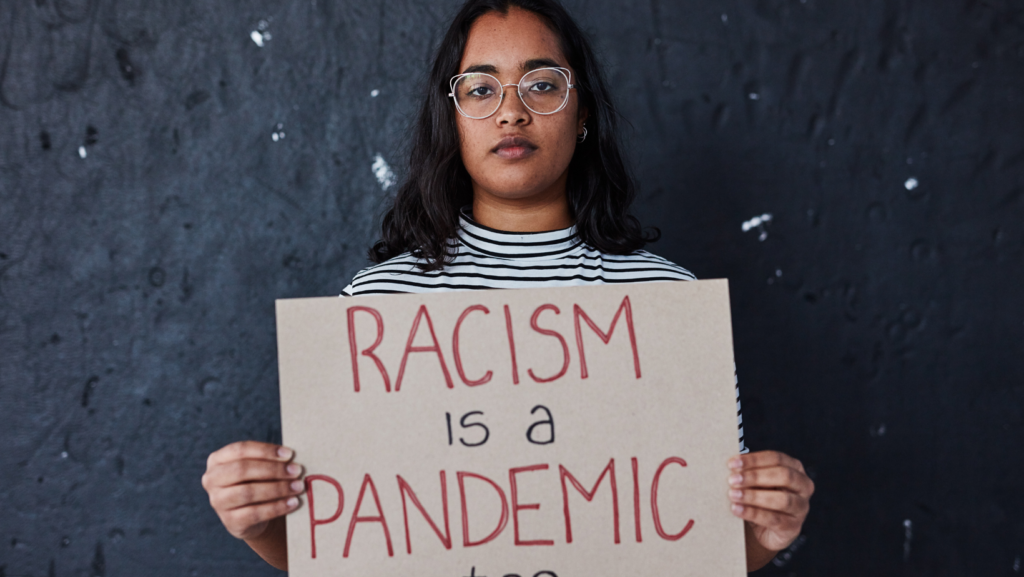
And I’d stop referring to my country as “least developed” or “developing.” That’s not a designation. That’s a colonial spell. That’s racism.
My Final Word: Wake Up, You’re the Economy
The term “developing country” is fiction. Many of the nations labeled as such are rich in minerals, water, agriculture, and human capital. But they’ve been locked into a narrative where development means foreign dependence.
You cannot win a game where the rules were designed to make you lose. Stop asking to be included in it. Build your own board.
Burn their rulebooks. Write your own.
Click below and share this post on your social media.